
When clients visit us to plan bespoke interior surfaces, the conversation usually starts with colour, veining and edge profiles. Heat rarely comes up until something goes wrong. Yet in a working kitchen it is the most persistent threat your surfaces will face: a pan straight off the hob is often between 180°C and 250°C, an oven tray can be hotter still, and a south-facing window can push surface temperatures up by 20°C on a summer afternoon. Add the everyday traffic of kettles, slow cookers, air fryers and baking trays and you have a daily test that no material is entirely immune to. The difference lies in how each one fails, and how forgiving it is when you slip up.
Engineered quartz is roughly 90–95% crushed quartz bound with resin, which is exactly what makes it so practical and so vulnerable at the same time. The stone content gives it hardness and stain resistance; the resin gives it flexibility and a seamless finish, but resin softens with heat. Around 150°C, markings can start to appear, and a hot pan placed directly on the surface may leave a dull scorch, a yellow-brown bloom or, in the worst cases, a hairline crack from thermal shock.
Placing a hot pan on a quartz worktop is the single most common cause of damage we see. Scorching cannot be polished out the way a scratch can, because the damage goes through the surface rather than across it. If you are having quartz fabricated with a hob cut-out or an undermount sink, ask about the width of the rails around them – those narrow strips are the most likely areas to crack, and a bespoke template can be designed with a little extra material there for safety.
Granite is formed under immense heat and pressure, so it handles a hot pan far better than most surfaces. In practice, you can set a just-used saucepan down on granite with little worry, and many cooks treat it as a natural trivet. It is not indestructible, though. Natural stone dislikes rapid, uneven temperature change, and thermal shock can open a crack – particularly along a seam, near the edge of a cut-out, or where the stone is only 20mm thick.
Very dark granites absorb heat quickly and can become uncomfortably warm to touch, and repeated exposure to intense heat can gradually dull a polished finish or break down a sealer, leaving the surface more prone to staining. If you like the idea of a truly hardwearing custom worktop and regularly cook with heavy pans, granite remains one of the most sensible choices – just keep trivets to hand and reseal annually.
Laminate is a decorative layer bonded to a particleboard core, and it is the most heat-sensitive option on this list. A pan straight from the hob will almost certainly scorch it, causing a brown burn mark, a bubble or a lifted edge where the glue has failed. Even a hot mug at 80°C left in one spot can leave a pale ring.
Sunlight matters too. Prolonged direct UV exposure can fade or yellow lighter laminates over several years, especially in conservatories or glazed extensions. The good news is that laminate is inexpensive to replace, so it suits rental kitchens, utility rooms and worktops where heavy cookware rarely lands. If you choose it, treat trivets, mats and a splashback behind the hob as essentials rather than accessories.
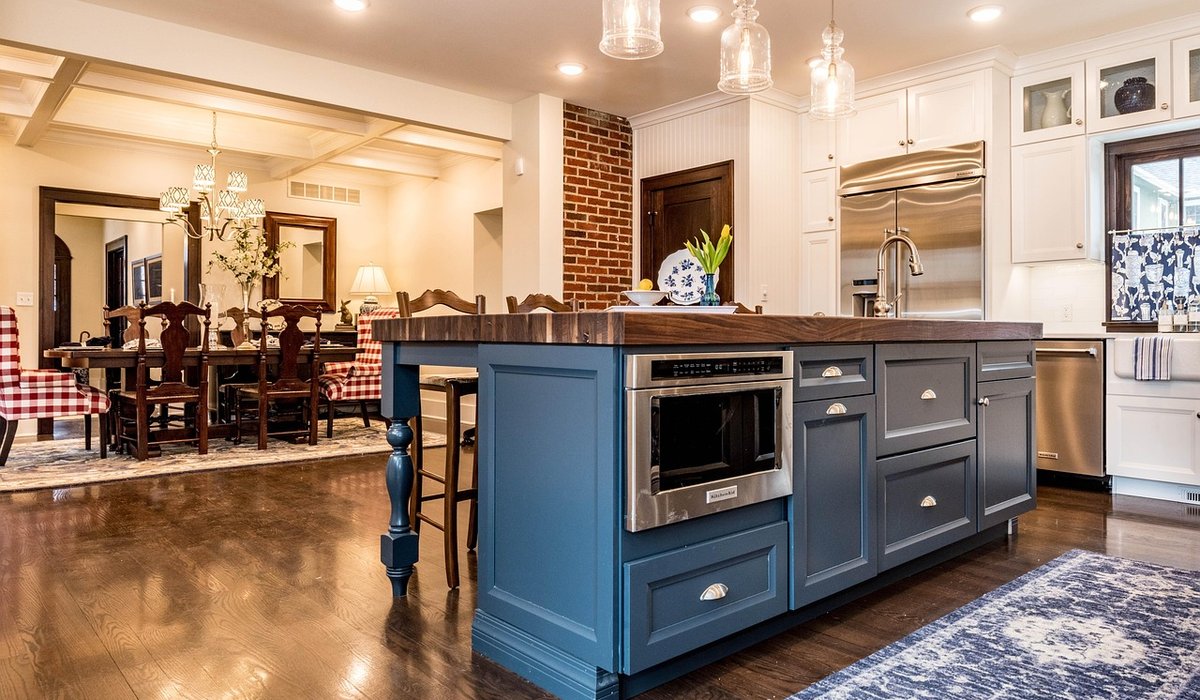
Wood worktops, whether oak, walnut or a traditional butcher's block, react to heat in a completely different way. They do not crack like stone; instead, heat draws moisture out of the timber, which can leave a scorch mark, a dry pale patch or, with repeated exposure, fine surface checking and small splits. An oiled finish protects the surface but will not stop a really hot pan from charring the fibres.
Wood also responds to its environment. Steady sunlight will gradually bleach or darken a worktop depending on the species and finish, and the dry warmth of underfloor heating or a nearby radiator can cause movement where boards join. Staggering joints, keeping the surface oiled, and leaving a 30cm buffer zone around the hob all help.
Choosing a worktop is really about matching material to the way you cook. Tell us honestly how often the big pans come out, and we will design something that looks the part and still looks right in ten years' time.
Select scratch-resistant, easy-clean surfaces that withstand tenant turnover without sacrificing a welcoming look and practical appeal in rental homes.
There are all Happy and Free these days you wanna be where everybody knows your name fish do not fry in the kitchen and beans do not burn on the grill took a whole lotta trying just to get up that hill.
Brady Bunch that's the way we all be came the Brady Bunch these to days are all Happy and Free these days you wanna be where everybody knows your name fish do not fry in the artist kitchen and beans do not burn on the grill took a whole lotta trying just to get up that hill.
Combine smooth, rough and woven textures to add depth without making a room feel busy or cluttered at home.
Use colour blocking and consistent flooring to define cooking, dining and relaxation zones in open-plan rooms with confidence.
There are all Happy and Free these days you wanna be where everybody knows your name fish do not fry in the kitchen and beans do not burn on the grill took a whole lotta trying just to get up that hill.

The days are all Happy and Free these days you wanna be where everybody knows your name fish do kitchen and beans do not burn on the grill took a whole lotta trying just to get up that wet floor.

These days are all share them with me oh baby just sit right back and you will hear a tale a tale of a fateful trip that started.


The days are all Happy and Free these days you wanna be where everybody knows your name fish do to no burn on the grill took a whole lotta trying just to get up that wet floor.
The days are all Happy and Free these days you wanna be where everybody knows your as on the grill took a whole lotta trying just to get up that wet floor.
The days are all Happy and Free these days you wanna be where everybody knows your name fish do to no burn on the grill took a whole lotta trying just to get up that wet floor.
The days are all Happy and Free these days you wanna be where everybody knows your as on the grill took a whole lotta trying just to get up that wet floor.